
by DinDeng | Jan 29, 2024 | Articles บทความ, English, ทฤษฎี Theory
ภาษาไทย
Kafka, Mass Politics & Chang Wattana
Institutions such as courts, constitutions, laws and democracy have replaced the divine rule of gods and kings. The belief in the rule of law is found across the political spectrum, in both the democratic and dictatorship side. So much so, that concepts like Democracy, when absent of mass politics, have become an ethereal, almost divine belief. This past year, we saw millions of people take part in the ritual of voting. While once they went to the temple to ask for favour, now they go to the ballot box, praying to the gods or asking the politicians for help. Democracy, however, is of course not divine, it is a system built on human-made institutions of courts, laws and procedures– rules, powered by bureaucracy. Bureaucracy has been described as the highest power of the atheist, one which bloats and stagnates human potential, the insidiousness of this divine atheism was diagnosed around the time of its inception by the writer Franz Kafka in the early 20th century. His diagnosis applied today in Thailand, shows the prescience of his work, and the pitfalls of our faith in these institutions.
The Castle & The Trial
Franz Kafka’s, The Castle, tells the story of a land surveyor, visiting a rural town on a work assignment. The surveyor, the main character, is a committed bureaucrat, who struggles against the local bureaucracy to begin his work in earnest. Such is the fastidiousness of the surveyor, he insists on following the correct bureaucratic channels in order to carry out his labour. Throughout the story, it becomes increasingly clear that he is repeatedly running into a brick wall of bureaucratic incompetence, procedural stagnation and the bloat of paperwork, he is also increasingly alienated by the experience, becoming more and more frustrated, paranoid and lonely. In one scene, he witnesses a town bureaucrat taking documents out of the back of an office and burning them, still, he continues his pursuit in vain through the bureaucratic maze, determined to achieve permission to sell his labour without resolution.
In another Kafka story, The Trial, the main character is served a summons to court for an unnamed crime he is unaware he committed, the novel follows his struggles and encounters with the invisible Law and the untouchable Court. As he tries in vain to discover what crime he is accused of and how to appeal it he again hits the wall of bureaucratic institutions. Meanwhile, he struggles to continue to work his day job in a bank. During his interactions with the court, the bureaucrats he encounters are simultaneously all-powerful and incapacitated– hamstrung by the very system they are charged with overseeing, each bureaucrat is responsible for one string in the Gordian knot. Much like the monks of old, they serve the role of mediating our relationship with god or with the state. The layman can approach them, begging for aid, but the powers of these mediators are of course, limited.
At the end of The Trial, there is no trial, the finale sees the main character taken out back and executed, no reason is given as to why, akin to the scene in The Castle where the papers are burnt. Kafka died before he could complete The Castle, as such it is left for us to imagine the fate of the land surveyor.
In both books, the main character, despite being persecuted by these bureaucratic systems, upholds a belief in and respects them– the belief that these systems, while imperfect, ultimately serve a necessary purpose of governance.
These two books, The Castle and The Trial, aren’t really about bureaucracy, rather they’re about alienation and the futility of the individual in the face of these neo-divine human institutions. In the books, characters behave strangely, odd out-of-place scenes invade the storyline, these sub-plots are always connected to the bureaucratic institutions. We are strongly given the impression that either society is collapsing around the main character, or the main character himself is going insane. Either way, this was Kafka’s method of portraying the alienation, isolation, loneliness and insanity of living by these institutions.
Ever since we killed our gods, the individual has no choice but to put their faith in these human institutions. Today the same courts and laws are found in both democracy and dictatorship. Under dictatorship, we put our faith in the institutions of the nation to govern us, while under democracy we do the same, with the ritualistic act of casting a ballot once every few years.
Kafka, Marx and Mass Politics
While Kafka writes about bureaucracy, he recognises it as more of a symptom than a disease. Much like how lung infections cause coughing and coughing causes a sore throat. Our system of governance causes bureaucracy and bureaucracy causes alienation.
Of course, Marx wrote of alienation within the context of labour. At the time, workers on the assembly line would polish metal, or cut holes in wood, over and over again, the same action, as the products would move down the assembly line. The workers would never truly create something, rather they were individualised, separated from whatever it was they were producing. The worker wouldn’t design the item, select the price or sell it, and whatever profit from the item’s production would go to the factory owner. They were separated from whatever they created with their labour, they were “alienated from their labour”.
Meanwhile, Kafka, a socialist himself, indirectly used his novels to articulate a form of alienation from governing institutions. By reading Kafka, and drawing from our own lives, we can see how the citizen is individualised, separated from the state and the institutions that govern them. Today, we can see how the citizen has little recourse to change these institutions other than the narrow window of voting on a tiny pool of candidates within a parliamentary democracy.
Kafka’s writing was doubtless influenced by elements of Marxism, both of the main characters, from the aforementioned novels, are individuals crashing against the rocks of bureaucratic power, showing the futility of individualism in the face of large institutions. The socialist solution to this is, of course, mass movement politics. The large organising of individuals into a collective force to challenge the power of these existing institutions; be it the state, capitalism itself, or even just your local workplace. This does not mean symbolic protesting in the streets. It means building real power that can be wielded to genuinely counter those oppressive bureaucratic systems, to force them into subservience to the people. Mass movement co-dependent political organising, that takes place outside of the parliamentary system, provides the only real mechanism for citizens to challenge that parliamentary system and breach the walls of its bureaucratic castle.
This kind of organising is not necessarily exclusive to the leftwing, however, as a practice, it is the only means we have against the rapacious forces of both capital and the capitalist state. Increasingly, we, as the proletariat, are alienated from both our labour and our systems of governance. Anyone who has been to their local Department for Transport office (กรมการขนส่งทางบก) to make a driver’s licence will have touched the walls of the bureaucratic castle, the regulation and scrutiny of every sheet of paper handed over, and the secret document burning ceremony that must take place every night, all across the country, in every government department. Surely, nobody in any government department anywhere in the country, can think this is a good or efficient system, yet it pervades, riddled with corruption, we seemingly cannot fight the bloat.
The Castle – Chang Wattana
Kafka’s castle from The Castle, is itself not a castle. Rather is a large old building at the top of the hill which serves as a government center that administers the town below. The castle itself does not need to have real stone walls or armed guards. The walls are the bureaucratic procedures themselves, and the blind faith of the townspeople in following those procedures.
The modern Muang system pervades 21st-century Thailand. The bureaucratic imperial castle of Chang Wattana oversees its regional Muangs in the provinces. The gates to the palace of paperwork are guarded by disinterested receptionists sipping from their Amazon ice coffee cups. They form the same system that prevents farmers from owning their land and prevents the ascension of democratically elected governments. The secretaries themselves, like Kafka’s bureaucrats, hold no actual power, you can not get angry at them, just frustrated at the system that lurks behind them. Thailand is run by the same bureaucratic procedures as Kafka’s castle, the faith of the population in those procedures, however cynical they may be, is what allows them to bloat and pervade.
This is what we mean when we critique electoralism in the absence of mass politics. Time and time again, those demanding change are fooled by the promise of voting as a means of change without the necessary addition of a mass movement. Voting is just another castle procedure, it may superficially change the facade of the walls, but it can not bring them down, any belief otherwise further cements their stones.
The Old Gods
Towards the end of Kafka’s life, he became increasingly interested in rural Jewish folklore and mysticism. As an educated city dweller, he envied the spiritual life of rural folk. The richness of their beliefs and customs provided some kind of flavour and purpose that was absent from the bland neo-atheistic day-to-day life of the urban bureaucrats. Of course, he couldn’t bring himself to believe in what he considered ancient superstition, however, the fundamental parallels between these systems, religion and bureaucracy, these systems of divination and manifestation were clear to see.
Today, if monks have been replaced by bureaucrats as our mediators, politicians have filled the absent space of old gods. Instead of going to the temple to ask their favour, we go to the ballot box every few years and cheer them on Twitter. Regardless, we lack a kind of agency that we can hold ourselves. When we outsource our problems to the gods or the politicians, we give ourselves up to individuality, relinquishing any hope of collective action, I did my bit by voting and tweeting, or by making merit and praying– whatever’s next is in the hands of the almighty gods of bureaucracy.

by DinDeng | Jan 14, 2024 | Articles บทความ, ความคิดเห็น Opinion, ทฤษฎี Theory, ไทย
ในวันนี้ สถาบันต่างๆ เช่น ศาล รัฐธรรมนูญ กฎหมาย และประชาธิปไตยได้สวมรอยแทนที่ระบอบกฎศักดิ์สิทธิ์ว่าด้วยพระเจ้าและกษัตริย์เสียแล้ว ความเชื่อในหลักนิติธรรม (rule of law) พบได้ในทุกแง่มุมทางการเมืองทั้งในฟากฝั่งประชาธิปไตยและเผด็จการ ความเชื่อนี้มีอยู่อย่างดาษดื่นเสียจนหลักการอย่าง “ประชาธิปไตย” (เมื่อไม่มีคำว่ามวลชน) ก็กลายเป็นความเชื่อที่ศักดิ์และสิทธิ์จนไร้มลทินมัวหมองพ้นไปจากโลกที่เราอยู่
ปีนี้เราได้เห็นประชาชนหลายล้านชีวิตเข้าร่วมพิธีลงคะแนนเสียงเลือกตั้ง จากที่เราเคยเข้าวัดกราบไหว้ให้พระเมตตา กลายเป็นผู้คนวันนี้ตบเท้าเข้าคูหาภาวนาต่อฟ้าดินและวอนขอความช่วยเหลือจากนักการเมืองแทน อย่างไรก็ตามประชาธิปไตยไม่เคยแม้แต่จะเป็นสิ่งศักดิ์สิทธิ์ แต่เป็นระบอบที่ประกอบสร้างจากสถาบันศาล กฎหมาย และกระบวนการต่างๆ ที่มนุษย์เราปั้นแต่งขึ้น กล่าวได้ว่าประชาธิปไตยเป็นกฎเกณฑ์ที่ขับเคลื่อนโดยระบบราชการ (bureaucracy) นั่นเอง
ในวันวานผู้ไร้ศรัทธาในพระเป็นเจ้าอ้างว่าระบบราชการถือเป็นอำนาจสูงสุด คนพวกนี้เองลำพอง ทั้งยังดูแคลนศักยภาพมนุษย์ เมื่อครั้งผู้ไร้ศรัทธาเริ่มประดิษฐ์มีดโกนอาบน้ำผึ้งนี้ขึ้น “คาฟคา” นักเขียนชาวยิวก็จับไต๋ของพวกเขาได้ตั้งแต่ช่วงต้นศตวรรษที่ 20 และจนถึงวันนี้สิ่งที่คาฟคาวิเคราะห์ไว้ก็ยังไม่ล้าสมัย แถมยังใช้อ่านการเมืองไทยในปัจจุบันได้อย่างไร้รอยต่อ ราวกับเป็นโหรราชสำนักเจ้าของคำนายแห่งกับดักศรัทธาในสถาบันเหล่านี้
ปราสาท และ คดีความ (The Castle & The Trial)
“ปราสาท” โดย คาฟคา เล่าเรื่องของช่างรังวัดดินที่ต้องเดินทางเยือนเมืองชนบทเพื่อทำงานซึ่งได้รับมอบหมายมา เขาเป็นตัวละครหลักของเรื่องและเป็นข้าราชการที่ให้ใจเต็ม 100% กับงาน แต่จะเริ่มงานนี้ได้ตัวเอกก็ต้องกัดฟันสู้กับระบบราชการในท้องถิ่น
เนื่องจากเป็นคนเป๊ะทุกกระเบียด เขายืนกรานที่จะปฏิบัติตามระเบียบราชการอย่างเคร่งครัด ตั้งแต่หน้าแรกยันหน้าสุดท้าย ผู้อ่านจะรู้แจ้งว่าตัวเอกได้วิ่งชนกับกำแพงที่เรียกว่า “ความไร้สมรรถภาพ” ของระบบราชการซ้ำแล้วซ้ำเล่า กำแพงดังกล่าวยังรวมไปถึงกระบวนการที่ยืดย้วยและงานเอกสารกองโต นอกจากจะเป็น “คนนอก” แล้ว เขายิ่งรู้สึกแปลกแยก ซ้ำยังต้องหัวเสีย หวาดระแวง และโดดเดี่ยวจากประสบการณ์ทำงานกับระบบนี้
ในฉากหนึ่ง ตัวเอกเห็นข้าราชการในเมืองขนเอกสารออกมาจากด้านหลังสำนักงานเพื่อไปเผาทิ้ง แต่กระนั้นเขายังคงวิ่งวนในเขาวงกตของระบบราชการอย่างเปล่าประโยชน์ด้วยจิตใจมุ่งมั่นจะขอ (อนุญาต) ทำงานแลกเงินแม้ดูจะไร้ซึ่งหนทาง
และในนวนิยายอีกเล่มหนึ่งของคาฟคาเรื่อง “คดีความ” ตัวละครหลักถูกเรียกตัวไปขึ้นศาลในข้อหาก่ออาชญากรรมนิรนามที่เขาไม่รู้ว่าตัวเองก่อขึ้น นวนิยายเรื่องนี้เล่าเรื่องการดิ้นรนของตัวเอกและการเผชิญหน้ากับกฎที่มองไม่เห็น รวมถึงศาลที่ไม่สามารถแตะต้องได้
ในขณะที่เขากระเสือกกระสนเพื่อจะพยายามหาว่าตนถูกกล่าวหาว่าเป็นอาชญากรข้อหาอะไร และจะอุทธรณ์ได้อย่างไร ตัวเอกก็ได้ชนเข้ากับกำแพงระบบราชการอีกครั้ง ในขณะสู้คดีเขาก็ต้องดิ้นรนเพื่อทำงานประจำในธนาคารต่อไปอีก ระหว่างที่ตัวเอกพยายามรับมือกับศาล ข้าราชการที่เขาพบนั้นมีอำนาจแต่กลับไร้ความสามารถ ข้าราชการเหล่านี้ถูกตรึงจากระบบที่ตนต้องดูแล แต่ละคนต่างมีหน้าที่รับผิดชอบสางปมปัญหาที่ไร้ทางแก้ ข้าราชการจึงไม่ต่างนักบวชในสมัยโบราณผู้ทำหน้าที่เป็นสื่อกลางระหว่างประชาชนกับพระเจ้า หรือในบริบทนี้เป็นคนกลางระหว่างประชาชนกับรัฐ ปุถุชนเข้าไปหาคนกลางเพื่อขอความช่วยเหลือได้ แต่แน่นอนว่าอำนาจของคนกลางนั้นแสนจำกัด
ในตอนท้ายของเรื่อง “คดีความ” ไม่มีแม้แต่การพิจารณาคดีความเกิดขึ้น ตอนจบผู้อ่านเพียงรู้ว่าตัวละครหลักถูกนำตัวไปประหารชีวิตโดยไม่มีเหตุผลระบุว่าทำไม ฉากจบนี้คล้ายกับฉากในเรื่อง “ปราสาท” ที่ตัวเอกเห็นเอกสารราชการถูกเผาทิ้ง คาฟคาเสียชีวิตก่อนที่จะเขียนเรื่อง “ปราสาท” จบ ผู้อ่านไม่มีทางเลือกอื่นแต่ต้องจินตนาการถึงชะตากรรมของช่างรังวัดที่ดินเอง
ในหนังสือทั้งสองเรื่อง แม้ตัวละครหลักจะถูกข่มเหงโดยระบบราชการ แต่ก็ทั้งคู่ยังยึดถือและเคารพต่อระบบดังกล่าว ตัวเอกล้วนเชื่อว่าระบบเหล่านี้แม้จะไม่สมบูรณ์ แต่ท้ายที่สุดแล้วกลับตอบสนองวัตถุประสงค์ที่จำเป็นของการปกครองบ้านเมืองได้
สองเรื่องนี้ไม่ใช่ตำราว่าด้วยระบบราชการ แต่เป็นเรื่องเกี่ยวกับความแปลกแยกและความเปล่าประโยชน์ของบุคคลระดับปัจเจกเมื่อต้องเผชิญกับสถาบันศักดิ์สิทธิ์ของมนุษย์ยุคใหม่ ผู้อ่านจะพบเจอกับตัวละครที่มีพฤติกรรมประหลาด ฉากนอกสถานแสนพิษดารที่แทรกเข้ามากลางเรื่อง โครงเรื่องรองที่ลักลั่นเหล่านี้เชื่อมโยงกับระบบราชการอยู่เสมอ เราเห็นได้ชัดเจนว่าตอนจบของเรื่องมีเพียงสองทางคือให้สังคมจะล่มสลายเมื่อมีตัวละครหลัก หรือไม่ก็ต้องเป็นตัวละครหลักที่ต้องพังทลายและเสียสติไปเอง ไม่ว่าจะออกหัวหรือก้อยนี่เป็นวิธีเขียนของคาฟคาในการพรรณนาถึงความแปลกแยก ความโดดเดี่ยว ความเหงา และความลักลั่นที่เราต้องใช้ชีวิตร่วมกับสถาบันเหล่านี้
นับตั้งแต่เราสังหารเทพเจ้าอันสูงส่งไป ปัจเจกบุคคลนั้นก็ไม่มีทางเลือกอื่นนอกจากต้องศรัทธาในสถาบันเหล่านี้แทน ในปัจจุบันศาลและกฎหมายแบบเดียวกันนี้พบได้ทั้งในระบอบประชาธิปไตยและเผด็จการ ภายใต้การปกครองแบบเผด็จการ ประชาชนเชื่อมั่นในสถาบันของชาติที่ปกครองผู้คน ไม่แตกต่างจากระบอบประชาธิปไตยที่เราเองก็เชื่อมั่นในพิธีกรรมการเลือกตั้งทุกๆ สามสี่ปี
คาฟคา มาร์กซ์ และการเมืองมวลชน
แม้ว่าคาฟคาจะเขียนหนังสือเกี่ยวกับระบบราชการ แต่เขาตระหนักดีว่าสิ่งที่บรรยายเป็นอาการของโรคมากกว่าเป็นโรคเสียเอง เช่นเดียวกับการติดเชื้อในปอดที่ก่อให้เกิดอาการไอ และการไอก่อให้เกิดอาการเจ็บคอ ในทำนองเดียวกันระบบการปกครองของเราได้ก่อให้เกิดระบบราชการ และระบบราชการก่อให้เกิดความแปลกแยกของปัจเจกในที่สุด
แน่นอนว่า มาร์กซ์เขียนเรื่องความแปลกแยกในบริบทของแรงงาน ยุคนั้นคนงานในโรงงานประกอบส่วนต้องขัดโลหะหรือเจาะรูไม้ซ้ำแล้วซ้ำเล่าในขณะที่ผลิตภัณฑ์เคลื่อนตัวไปตามสายพาน คนงานเหล่านี้ไม่เคยสร้างหรือประดิษฐ์บางสิ่งบางอย่างออกมาอย่างแท้จริง พวกเขาถูกแยกให้เป็นหน่วยปัจเจกเล็กๆ และถูกกันออกจากสิ่งที่ตนได้ลงแรงทำไป พวกเขาจะไม่ได้ออกแบบสินค้า กำหนดราคา หรือเป็นผู้ขาย ดังนั้นกำไรใดๆ จากการผลิตจะตกเป็นของเจ้าของโรงงาน สุดท้ายแล้วคนงานถูกกันออกจากสิ่งที่ตนสร้างขึ้นด้วยน้ำพักน้ำแรงตัวเอง นั่นหมายความว่าคนงานเหล่านี้ “ถูกทำให้แปลกแยกจากแรงงานของตนเอง”
ในขณะเดียวกัน คาฟคา ซึ่งเป็นนักสังคมนิยมเองได้ใช้นวนิยายเล่าเรื่องความแปลกแยก ของปัจเจกจากสถาบันการปกครองอย่างอ้อมๆ หากอ่านคาฟคาและประกอบกับบริบทชีวิตผู้คนในปัจจุบัน ผู้อ่านจะเห็นว่าประชาชนถูกแบ่งให้เป็นปัจเจกหน่วยเล็กๆ และแยกออกจากรัฐและสถาบันที่ปกครองตนเองอย่างไรบ้าง ทุกวันนี้เราจะเห็นว่าประชาชนแทบไม่มีโอกาสได้เปลี่ยนแปลงสถาบันเหล่านี้เลย แม้แต่ในระบอบประชาธิปไตยแบบรัฐสภา เราทำได้เพียงลงคะแนนเสียงของตนเองในกล่องคะแนนเล็กจิ๋วให้กลุ่มผู้สมัครจำนวนหยิบมือเท่านั้น
งานเขียนของคาฟคาได้รับอิทธิพลจากลัทธิมาร์กซิสม์อย่างชัดเจน ตัวละครหลักทั้งสองเป็นบุคคลที่ต่อพุ่งชนกำแพงปราสาทของอำนาจระบบราชการ ซึ่งแสดงให้เห็นถึงความไร้ประโยชน์ของลัทธิปัจเจกชนเมื่อต้องเผชิญกับสถาบันขนาดใหญ่ แน่นอนว่าทางออกฉบับสังคมนิยมคือการเมืองแบบขบวนการมวลชน การรวมตัวกันของประชาชนจำนวนมากจะเป็นพลังท้าทายอำนาจของสถาบัน ไม่ว่าจะเป็นรัฐ ระบบทุนนิยม หรือแม้แต่สถานที่ทำงานในท้องถิ่นของตน
แต่นั่นไม่ได้รวมถึงการประท้วงเชิงสัญลักษณ์บนท้องถนน ทางออกคือการสร้างอำนาจที่แท้จริงให้ประชาชน ต้องเป็นอำนาจที่จะตอบโต้ระบบราชการจอมกดขี่ และต้องเป็นอำนาจที่สามารถบังคับให้สถาบันยอมจำนนต่อประชาชน ขบวนการทางการเมืองของมวลชนซึ่งพึ่งพิงการรวมตัวจัดตั้งบนท้องถนน (นอกรัฐสภา) ถือเป็นกลไกแท้จริงเพียงหนทางเดียวสำหรับประชาชนในการท้าทายระบบรัฐสภา และเป็นกลไกเดียวที่จะทำลายกำแพง “ปราสาท” ของระบบราชการได้
การจัดกระบวนการรูปแบบนี้ไม่จำเป็นต้องจำกัดอยู่เฉพาะฝ่ายซ้ายเท่านั้น แต่ในทางปฏิบัติแล้วถือเป็นหนทางเดียวที่ประชาชนมีเพื่อต่อต้านกองกำลังแสนโลภของทั้งทุนและรัฐทุนนิยม เราในฐานะชนชั้นกรรมาชีพเริ่มแปลกแยกจากทั้งแรงงานและระบบการปกครองของเรามากขึ้นเรื่อยๆ ใครก็ตามที่เคยไปจุดบริการกรมการขนส่งทางบกเพื่อทำใบขับขี่จะได้รู้ซึ้งถึงกำแพงปราสาทของราชการ กฎระเบียบ การตรวจสอบกระดาษทุกแผ่นที่เรายื่น และพิธีเผาเอกสารลับที่ต้องเกิดขึ้นทุกคืนทั่วประเทศในทุกหน่วยงานของรัฐ
แน่นอนว่าไม่มีใครในหน่วยงานภาครัฐในประเทศใดจะมองว่านี่เป็นระบบที่ดีหรือมีประสิทธิภาพ แต่ระบบนี้ได้แพร่กระจายไปทั่วแถมยังพ่วงแถมมากับคอรัปชั่นทุกหนแห่ง สุดท้ายแล้วดูเหมือนว่าประชาชนแบบเราไม่สามารถต่อกรกับลุกลามของระบบนี้ได้เลย
ปราสาท นามว่า ศูนย์ราชการแจ้งวัฒนะ
ปราสาทของคาฟคาไม่ใช่ปราสาท แต่เป็นอาคารเก่าแก่ขนาดใหญ่บนยอดเขาซึ่งทำหน้าที่เป็นศูนย์ราชการบริหารเมืองเบื้องล่าง ตัวปราสาทไม่จำเป็นต้องมีกำแพงหินจริงๆ หรือกองกำลังติดอาวุธ กำแพงนั้นเป็นกระบวนการของระบบราชการที่ยืนหยัดแข็งแรงด้วยความศรัทธาชาวเมืองมืดบอดที่ปฏิบัติตามกฎของปราสาท
ในศตวรรษที่ 21 ระบบเมืองสมัยใหม่ลุกลามไปทั่วประเทศไทย ปราสาทแห่งจักรวรรดิ์ของศูนย์ราชการแจ้งวัฒนะทำหน้าที่ปกครองเมืองส่วนภูมิภาคในจังหวัดต่างๆ ประตูสู่ราชวังแห่งเอกสารได้รับการคุ้มกันโดยพนักงานต้อนรับที่ไม่สนใจจะบริการ ทั้งมัวจิบกาแฟเย็นของอเมซอนในทุกเช้า ข้าราชการได้สร้างระบบเดียวกันซึ่งขวางกั้นไม่ให้เกษตรกรเป็นเจ้าของที่ดินของตน ทั้งยังกีดกันเกษตรกรจากการขึ้นสู่ตำแหน่งในรัฐบาลที่มาจากการเลือกตั้งตามระบอบประชาธิปไตย
เจ้าหน้าที่เหล่านี้ก็เหมือนกับข้าราชการในนิยายคาฟคา คนพวกนี้ไม่มีอำนาจที่แท้จริง คุณจะโกรธพวกเขาก็ไม่ได้ คุณทำได้แค่หงุดหงิดกับระบบที่แฝงตัวอยู่เบื้องหลังพวกเขาเท่านั้น ว่าง่ายๆ คือประเทศไทยดำเนินการตามกระบวนการราชการแบบเดียวกับปราสาทของคาฟคา ด้วยศรัทธาของผู้คนในกระบวนการราชการแล้ว ไม่ว่าเจ้าหน้าที่จะดูถูกเหยียดหยามระบบอย่างไร พวกเขาเองก็เป็นส่วนที่ทำให้ระบบราชการเติบโตและลุกลาม
นี่คือสิ่งที่เราหมายถึงเมื่อเราวิพากษ์วิจารณ์การเลือกตั้งที่ไม่มีการเมืองมวลชนในสมการ ครั้งแล้วครั้งเล่าที่ประชาชนผู้เรียกร้องการเปลี่ยนแปลงถูกลวงด้วยคำมั่นสัญญา เราถูกหลอกว่าการลงคะแนนเสียงเลือกตั้งเป็นวิธีการเปลี่ยนแปลงโดยไม่ต้องอาศัยขบวนการมวลชน แท้จริงแล้วการลงคะแนนเสียงในคูหาเป็นเพียงขั้นตอนหนึ่งของปราสาทเท่านั้น คะแนนเสียงของเราอาจจะเปลี่ยนฉากหน้าของผิวกำแพงปราสาท แต่ก็ไม่สามารถทลายกำแพงลงมาได้ ความเชื่ออื่นใดมีแต่จะทำให้หินของกำแพงของปราสาทแข็งแกร่งขึ้น
พระเจ้าในวันวาน
ในช่วงบั้นปลายชีวิตของคาฟคา เขาเริ่มสนใจนิทานพื้นบ้านและลัทธิไสยศาสตร์ของชาวยิวในชนบทมากขึ้น ในฐานะคนเมืองการศึกษาสูง คาฟคาอิจฉาวิถีชีวิตที่มีจิตวิญญาณนำพาของชาวบ้าน คนเหล่านี้รวยไม่ใช่ทางสินทรัพย์ แต่รวยในความเชื่อและขนบซึ่งแต่งแต้มให้ชีวิตชาวบ้านมีสีสันและเป้าหมายในแบบที่ชีวิตแสนจืดชืดของคาฟคาและข้าราชการเมืองผู้ไร้ศร้ทธาในพระเจ้าไม่มี แน่นอนว่าคาฟคาทำใจเชื่อในสิ่งที่เขาถือว่าเป็นไสยล้าสมัยไม่ได้ อย่างไรก็ตามคาฟคาปฏิเสธไม่ได้ว่าระบบเหล่านี้ กล่าวคือ ศาสนาและระบบราชการ หรือผลจากการทำนายและผลจากการแสดงเจตจำนงค์นั้นเหมือนกันราวกับแฝดคนละฝา
เมื่อเราฝากฝังปัญหาของเราให้กับพระเจ้าหรือนักการเมือง หมายความว่าเราเองยอมให้ตัวเองถูกแปลกแยกจนกลายเป็นปัจเจกหน่วยเล็กๆ และพร้อมละทิ้งความหวังในการเคลื่อนไหวมวลชนร่วมกันไปด้วย
ในฐานะประชาชนที่ปฏิบัตตามหน้าที่ตนเอง วันนี้ปลายนิ้วที่พิมพ์บนโทรศัพท์ว่า “วันนี้ไปเลือกตั้งมาแหละ” และกดทวีต ก็ไม่ต่างจากมือไม้ที่ไหว้อ้อนวอนต่อพระเจ้าในวันวานเท่าไรนัก เพราะสุดท้ายอำนาจสู่ “กลิ่นความเจริญ” หรือจะเป็น “กลิ่นของหายนะ” ไม่ได้อยู่ในมือประชาชนแต่อยู่ในมือของพระเป็นเจ้าในระบบราชการต่างหาก

by DinDeng | Jan 14, 2024 | Articles บทความ, ความคิดเห็น Opinion, ทฤษฎี Theory, ประวัติศาสตร์ History, ไทย
แปลจากต้นฉบับภาษาจีน
สิ่งที่เรียกกันว่า “ประวัติศาสตร์โลก” นั้นก็คือการสรุปเอาความรู้กลุ่มหนึ่งมาจัดระบบรวมเข้าเป็นพื้นที่ ก่อรูปเป็นระบบความรู้ที่เชื่อมต่อกัน พูดแบบนักประวัติศาสตร์แล้ว พวกเราล้วนรู้ดีว่าประวัติศาสตร์ของมนุษยชาติดำเนินมายาวนานหาจุดต้นไม่พบจุดปลายไม่เจอ หากนำเอาทุกเรื่องเขียนลงไปย่อมมิอาจทำได้ เท่ากับว่า เขียนส่วนหนึ่ง ย่อมทิ้งส่วนอื่น กอปรรวมกันเป็นระบบที่ยอมรับ จึงเรียกได้ว่าเป็นการเขียน “ประวัติศาสตร์” ผมเคยเขียนบทความหนึ่ง ชื่อว่า《เรื่องราวที่ “เกิดขึ้นแล้ว” เขียนลงไปจึงจะถือเป็น “ประวัติศาสตร์”——ว่าด้วยความหมายของประวัติศาสตร์》การนำเอา “สิ่งที่เกิดขึ้นแล้ว” กับ “ประวัติศาสตร์” มาเทียบกันให้เห็น เป็นสิ่งที่หลายคนไม่เคยได้ทำความเข้าใจอย่างจริงจัง “สิ่งที่เกิดขึ้นแล้ว” คือเรื่องราวที่ได้เกิดขึ้น ส่วน “ประวัติศาสตร์” คือสิ่งที่เขียนขึ้นมา คือกระบวนการที่นักประวัติศาสตร์ลงมือเขียนขึ้นมาเพื่อให้คนได้อ่าน เมื่อทำความเข้าใจตรงจุดนี้ ก็จะสามารถเข้าใจได้ว่าทำไมคนจึงคุ้นเคยกับ “ประวัติศาสตร์โลก” ว่ามีแต่ประเทศตะวันตกไม่กี่ประเทศ และโลกส่วนอื่นๆ เหมือนไม่ได้ดำรงอยู่ หรือไม่ก็ไม่สำคัญ พูดอย่างง่าย ระบบความรู้ประวัติศาสตร์โลกคือสิ่งสร้างของชาวตะวันตก ชาวตะวันตกตัดต่อสิ่งที่เกิดขึ้นแล้วที่สำคัญกับพวกเขาขึ้นมา แล้วก่อรูปเป็น “ประวัติศาสตร์โลก” ระบบความรู้แบบตะวันตกนี้ได้ดำรงอยู่มาร่วมสองสามร้อยปีแล้ว อีกทั้งในช่วงไม่กี่ร้อยปีมานี้กระแสความเข้มแข็งของตะวันตกก็แผ่ซ่านไปทั่วโลก ทำให้ประวัติศาสตร์โลก “ถูกต้องชอบธรรม”(正统)
ลักษณะสำคัญของระบบตะวันตกก็คือ “ความคิดตะวันตกเป็นศูนย์กลาง”(西方中心论) แสดงออกมาในเนื้อหาที่จัดวางให้ประวัติศาสตร์ตะวันตกเป็นเส้นเรื่องหลัก แล้วเอาประวัติศาสตร์โลกแปะเข้าไปในการดำเนินเรื่องฝั่งตะวันตก ในฐานะที่ตะวันตกเป็นตัวแทนของโลกทั้งใบ จากจุดนี้ยิ่งทำให้เข้าใจได้มากขึ้นว่า ทำไมเมื่อพูดถึง “ประวัติศาสตร์โลก” แล้ว สิ่งที่เรานึกขึ้นได้ก็จะเป็นมหาอำนาจตะวันตกไม่กี่ประเทศ สิ่งที่ควรเน้นย้ำคือ เราได้วิพากษ์ “ความคิดตะวันตกเป็นศูนย์กลาง” มายาวนานแล้ว ไม่ใช่แค่หลังจากการสถาปนาจีนใหม่เท่านั้น ก่อนหน้าก็มีหลายคนวิพากษ์มันมาก่อน ทว่า การวิพากษ์ก็หยุดอยู่แค่ขั้นของความคิดเห็น น้อยคนนักที่จะนำเอาข้อเท็จจริง มาพัฒนาประวัติศาสตร์โลกจริงๆ ขึ้นมา ยิ่งมีน้อยคนนักที่จะพยายามเอาระบบอื่นเข้ามาแทนที่ระบบความรู้แบบตะวันตก กระนั้น การศึกษาประวัติศาสตร์คือศาสตร์ที่ตั้งอยู่บนการพิสูจน์ด้วยข้อเท็จจริง หากไม่ได้นำเอาข้อเท็จจริงมาพูดแล้ว ก็คงไม่อาจวิพากษ์ “ความคิดตะวันตกเป็นศูนย์กลาง” ได้แน่
อะไรคือ “ความคิดตะวันตกเป็นศูนย์กลาง”? ลักษณะพิเศษของมันคือการเอาอารยธรรมตะวันตกมาพูดให้เป็นอารยธรรมที่ถูกต้องเหมาะสม(正确)เพียงหนึ่งเดียว อารยธรรมอื่นๆ ไม่ว่าจะผ่านไปแล้ว หรือกำลังเริ่มต้นก็ล้วนไม่ถูกต้องเหมาะสม ดังนั้น จึงมักถูกทำให้ล่มสลาย ว่าตาม Hegel แล้ว อรุณแรกแห่งอารยธรรมเรืองรุ่งขึ้นมาจากฝั่งตะวันออก หลังจากนั้นจึงเคลื่อนตัวไปตะวันตก ถึงยุโรปตะวันตกก็แผ่ซ่านเปล่งประกาย เฉิดฉายไปทั่วพิภพ ณ ที่แห่งอื่นบนโลกใบนี้ หากไม่หยุดนิ่งชงักงัน ก็ล่มสลายดิ่งสู่ความดำมืด ส่วนยุโรปนั้นจะก้าวไปไม่หยุดยั้ง นำพาอนาคตมาสู่มนุษยชาติ นี่ก็คือแก่นและแหล่งที่มาของ “ความคิดตะวันตกเป็นศูนย์กลาง” ตั้งแต่นั้นมา รากฐานทฤษฎีประวัติศาสตร์ตะวันตก ก็อนุมานเอาจากแนวคิดนี้ ทั้งยังแผ่ไปทั่วโลก ตามความแข็งแกร่งของตะวันตกทั่วผืนแผ่นดิน
ฉากหลังการปรากฏตัวขึ้นของ “ความคิดตะวันตกเป็นศูนย์กลาง” ก็คือการพุ่งทะยานของตะวันตก ตั้งแต่ยุคสมัยล่องเรือในมหาสมุทรแห่งศตวรรษที่ 15,16 เริ่มต้นขึ้น ตะวันตกก็พึ่งพาการบังคับเปิดปากอ่าวให้กับระบบการค้าขายข้ามมหาสมุทรและการพัฒนาผ่านการแผ่ขยายอาณานิคม พาตัวเองให้ออกจากภาวะความล้าหลังในยุคกลาง เชิดหน้าชูตาขึ้นมา อีกทั้งยังพึ่งพาการปฏิวัติอุตสาหกรรมและพลังอำนาจจากการแข่งขันรอบโลกภายใต้โลกาภิวัตน์เมื่อศตวรรษที่ 18,19 แผ่ขยายอำนาจตะวันตกไปทั่วโลก จนถึงปลายศตวรรษที่ 19 จรดต้นศตวรรษที่ 20 ก็อาจกล่าวได้ว่า ทั่วโลกตกอยู่ภายใต้การควบคุมแล้ว ณ ฉากหลังเช่นนี้ ชาวตะวันตกก็เริ่มเชื่อว่าอารยธรรมตะวันตกคือสิ่งถูกต้องเหมาะสมเพียงหนึ่งเดียว ตะวันตกจะนำทางมนุษยชาติไปตลอดกาล เพื่อการพิสูจน์ทฤษฎีนี้ ตะวันตกจึงเขียนประวัติศาสตร์ขึ้นมาให้ตะวันตกเป็นศูนย์กลางของประวัติศาสตร์ ตะวันตกจึงสร้างระบบความรู้ประวัติศาสตร์ขึ้นมา โชคร้ายก็คือ ไม่กี่ร้อยปีที่ผ่านมา ตำแหน่งแห่งที่ของตะวันตกเข้มแข็งขึ้นอย่างต่อเนื่องไม่ขาดสาย ระบบความรู้ที่ว่านี้จึงถูกทำให้เป็น “ประวัติศาสตร์ทางการ”(正史) ภายหลังจากสงครามฝิ่น เนื่องจากความล้าหลังและความไม่เข้าใจโลกของจีน จึงทำให้ระบบความรู้เหล่านี้กลายมาเป็น “ประวัติศาสตร์โลก” ที่อยู่ในหัวของชาวจีน
ว่าตามระบบนี้แล้ว อารยธรรมตะวันตกทุกช่วงเวลาของประวัติศาสตร์ ล้วนอยู่กลางเวทีแสดง ส่องแสงฉาดฉายทั้งสิ้น เป็นต้นว่า เมื่อคราวอารยธรรมเกิดขึ้น ยุโรปได้รับการพูดถึงว่าเป็นแหล่งกำเนิดตัวละครเอกมากมาย หนุ่มสวยสาวหล่อก่อสร้างอารยธรรมยุโรปขึ้น โดยที่ไม่ได้คำนึงถึงข้อเท็จจริงประการหนึ่งที่ว่า:อารยธรรมยุโรปเกิดขึ้นมาจากฝากชายฝั่งตะวันออก(ที่คนยุโรปเรียกว่า”ตะวันออก”) ดังนั้นอารยธรรมยุโรปก็เป็นเพียงแค่อารยธรรมหนึ่งเท่านั้น ว่าด้วยประวัติศาสตร์ยุคโบราณ รัฐโรมันถูกวาดภาพให้เป็นอารยธรรมที่รุ่งเรืองที่สุดในโลกยุคคลาสสิก ระบบและวัฒนธรรมการปกครองการทหาร นำทางโลกไปสู่อนาคต โดยไม่ได้คำนึงถึงข้อเท็จจริงประการหนึ่งที่ว่า:ณ พื้นที่แห่งอื่น ราชวงศ์ฮั่นอันยิ่งใหญ่ได้สร้างอารยธรรมที่แตกต่างอย่างสิ้นเชิง[1] เฉิดฉายเคียงคู่ไปกับโรมัน ณ ช่วงเวลาที่เรียกกันว่า “ยุคกลาง” หรือที่พวกเราเรียกกันว่าช่วงกลางของยุคโบราณ(中古时期) ความวุ่นวายในยุโรปถูกนำมาพูดกันว่านำไปสู่จุที่ระบบการแบ่งอำนาจระหว่างรัฐชาติ(国家)เหมือนดั่งปัจจุบันได้เกิดขึ้น และได้กลายเป็นรากฐานระบบการปกครองในปัจจุบัน ซึ่งก็ไม่ได้คำนึงถึงข้อเท็จจริงอีกประการหนึ่งเช่นกันว่า:เนื่องด้วยการดำรงอยู่ยาวนานไม่จบสิ้นของระบบศักดินาที่กระจัดกระจายแตกแยกไม่เป็นระบบ ซึ่งเกิดขึ้นในช่วงราวๆ คริสตศักราชที่ 1000 นั่นเอง ทำให้ช่วงนั้นยุโรปตะวันตกคือพื้นที่ที่ล้าหลังที่สุดแห่งหนึ่งในโลก เทียบกับ “ตะวันออก”(ซึ่งรวมไบเซนไทนไว้ด้วย)แล้ว ถือว่าทั้งล้าหลังทั้งยากจน ยุโรปพึ่งผงาดขึ้นมาในช่วงยุคสมัยใหม่ใกล้ๆ นี่เอง ตั้งแต่นั้นเป็นต้นมา ยุโรปก็พัฒนาขึ้นมาอย่างรวดเร็ว ไล่ตามและก้าวข้ามโลก “ตะวันออก” ไป แต่ข้อเท็จจริงประการหนึ่งที่ยุโรปไม่อยากให้พูดถึงมากที่สุดก็คือ ท่ามกลางเหตุผลหลายประการที่ยุโรปขึ้นมาเป็นผู้นำโลกนั้น มีเหตุผลสำคัญประการหนึ่งคือการลอกเอา “สมบูรณาญาสิทธิฯ”[2] จากฝั่งตะวันออกไปใช้ และหล่อหลอมรัฐชาติใหม่ที่มีอำนาจอธิปไตยรวมศูนย์ขึ้นมา ใช้เป็นเครื่องมือในการแตกหักกับสถานการณ์ศักดินาที่แตกแยกไม่เป็นระบบ แล้วก้าวย่างไปบนทางมหาอำนาจ ช่วงเวลาสองสามร้อยปีให้หลังที่ตะวันตกเริ่มก้าวนำไป ในลักษณะที่ไม่อาจหยุดยั้งได้ โลกทั้งใบก็ตกอยู่ภายใต้พื้นที่ยึดครองหรือควบคุมโดยตะวันตก แล้วระบบการเขียนตำราประวัติศาสตร์โลกโดยมีตะวันตกเป็นศูนย์กลางก็ปรากฏขึ้น และแผ่ขยายไปทั่วโลก
อย่างไรก็ตาม ณ ช่วงเวลานั้น โลกก็เริ่มเกิดการพลิกฟ้าคว่ำแผ่นดิน ประวัติศาสตร์หน้าใหม่ก็คลี่คลายตัวออกมา กลุ่มประเทศอื่นที่ครั้งหนึ่งเคยถูกตะวันตกยึดครองตีเอาได้ก็ฟื้นคืนขึ้นมา กลับขึ้นสู่เวทีโลกอีกครั้ง ยุคสมัยแห่งความเท่าเทียมทางอารยธรรมได้มาถึง จุดเปลี่ยนเกิดขึ้นเมื่อครั้งสงครามโลกครั้งที่สองจบสิ้นลง มาจนถึงทุกวันนี้ ทิศทางเช่นนี้ไม่อาจหวนคืนได้อีกแล้ว ด้วยเหตุเช่นนี้เอง จึงเกิดสิ่งที่ทุกวันนี้เราเรียกว่า “สถานการณ์ใหญ่ที่ร้อยปีก็ไม่เคยได้เห็น” จริงๆ แล้วไม่ได้หยุดอยู่แค่หนึ่งร้อยปี แต่เป็นการขยับเปลี่ยนครั้งใหญ่ที่มีขนาดเป็นโลกทั้งใบเต็มๆ จาก “ตะวันตกแกร่งตะวันออกอ่อน” เปลี่ยนเข้าสู่ความเท่าเทียมทางอารยธรรมและการพัฒนาร่วมกัน
จากที่กล่าวไปทั้งหมด ประวัติศาสตร์โลกที่แท้จริงก็เต็มใบขึ้นมา ระบบความรู้ประวัติศาสตร์โลกที่พูดถึงตะวันตกเป็นศูนย์กลาง คือระบบที่พูดด้านเดียว(片面的) คือระบบที่หยิบจับคัดเลือกหรือกระทั่งบิดเบือน ดังนั้น การละทิ้ง “ความคิดตะวันตกเป็นศูนย์กลาง” แล้วก่อสร้างสิ่งที่ถูกต้องเหมาะสม สร้างระบบความรู้ประวัติศาสตร์ที่แม่นยำ คือหน้าที่แห่งยุคสมัย
『ระบบความรู้ประวัติศาสตร์โลกแบบใหม่ ต้องใช้ข้อเท็จจริงทางประวัติศาสตร์เข้าพูด』
จะสร้างระบบความรู้ประวัติศาสตร์โลกใหม่ได้อย่างไร? ตั้งแต่ปี 2018 เป็นต้นมา ผมและนักวิชาการหลายท่านในภาควิชาประวัติศาสตร์มหาวิทยาลัยปักกิ่ง อีกทั้งคุณหยูวฺเพ่ยจากสถาบันวิทยาศาสตร์สังคมแห่งประเทศจีนก็พยายามลงมือค้นคว้ากรอบคิดแบบใหม่ ค้นหาระบบความรู้ประวัติศาสตร์โลกแบบใหม่ ผ่านการถกเถียงกันหลายครั้ง พวกเราก็ตกลงกันว่าการวิจัยประวัติศาสตร์แบบใหม่ควรจะมีเป้าหมายหลายประการ ดังนี้:หนึ่งคือต้องเอาความคิดของมาร์กซ์ว่าด้วย “การก่อรูปของประวัติศาสตร์”(世界历史形成)มาเป็นเส้นหลักทางทฤษฎี และกระบวนการพัฒนาของการคลี่คลายตัวทางประวัติศาสตร์มนุษยชาติ สองคือกระบวนการประวัติศาสตร์ที่ผ่านมาของมนุษยชาติหลายพันปีได้พิสูจน์ว่า:พัฒนาการทางประวัติศาสตร์ของมนุษยชาติมีสองแนวด้วยกัน กล่าวคือแนวนอนด้านหนึ่ง และแนวตั้งอีกหนึ่งด้าน สองด้านนี้ทำงานประสานกัน ก่อรูปขึ้นเป็นประวัติศาสตร์โลกเต็มใบ สามคือโยน “ความคิดตะวันตกเป็นศูนย์กลาง” ทิ้งเสีย แล้วฟื้นฟูอารยธรรม ประเทศ และชนชาติต่างๆ ในโลก และนำรูปร่างประวัติศาสตร์แรกเริ่มมาพัฒนา ฟื้นฟูตำแหน่งแห่งที่ให้เท่าเทียมกันระหว่างอารยธรรม ประเทศ และชนชาติที่ไม่เหมือนกัน สี่คือละทิ้งความคิดผิดๆ ที่ว่า “ประวัติศาสตร์โลกคือประวัติศาสตร์ของมหาอำนาจตะวันตกไม่กี่ประเทศ” แล้วแสดงให้เห็นว่าประวัติศาสตร์โลกคือข้อเท็จจริงพื้นฐานของประวัติศาสตร์มนุษยชาติร่วมกัน ภายใต้เรื่องเล่าในช่วงเวลาอันยาวนานของประวัติศาสตร์ที่คลี่คลายมาหลายพันปี โลกเกิดการเปลี่ยนแปลงครั้งใหญ่ขึ้น ทำให้เข้าใจเรื่องราวที่กำลังเกิดขึ้นในศตวรรษที่ 21 ได้
ในกระบวนการเขียนงาน พวกเราพยายามอธิบายจำแนกเป็นสี่ประการ:ประการแรก โลกมีหลายขั้ว มีลักษณะแก่นทางอารยธรรมของมนุษยที่หลากหลาย ประวัติศาสตร์โลกเองได้พิสูจน์แล้วว่าประวัติศาสตร์มีลักษณะหลายขั้ว ดังนั้นการนำเอาอารยธรรมตะวันตกมาเป็นตัวแบบ เอามาใช้อธิบายว่าเป็นสิ่งถูกต้องเหมาะสมหนึ่งเดียวนั้น เป็นการขัดต่อความเป็นจริงทางประวัติศาสตร์อย่างยิ่ง ประการถัดมา ประวัติศาสตร์คือการพัฒนา การพัฒนารวมทั้งการพัฒนาแนวนอนและการพัฒนาแนวตั้ง การพัฒนาแนวนอนหมายถึงอารยธรรมของมนุษย์เริ่มจากแตกกระจายไปสู่การรวมตัว สุดท้ายก่อรูปเป็นองค์ประกอบที่มีชะตากรรมร่วมกันของมนุษย์ชาติ การพัฒนาแนวตั้งหมายถึงสังคมมนุษย์เริ่มจากต่ำมุ่งไปสู่สูง ทั้งมาตรฐานพลังการผลิต มาตรฐานทางเทคโนโลยี รูปการณ์ทางสังคม เป็นต้น ล้วนเกิดจากต่ำก้าวไปสู่สูง ถัดมา โลกเป็นทั้งสิ่งที่มีลักษณะร่วมกัน(共性)และมีเอกลักษณ์ในตัว(个性)ลักษณะร่วมกันแสดงออกผ่านการดำรงอยู่ของทั้งทิศทางแนวนอนและแนวตั้ง แต่ละประเทศ แต่ละท้องถิ่น แต่ละเชื้อชาติล้วนอยู่ภายใต้ผลจากสองทิศทางนี้ ส่วนเอกลักษณ์ในตัวมาจากการประสานเปลี่ยนแปลงของทิศทางแนวนอนกับแนวตั้ง จึงปรากฏเป็นความหลากหลายผลิบานขึ้นมาในประวัติศาสตร์โลก ประการสุดท้าย การพัฒนาของประวัติศาสตร์คือความไม่สมดุล สร้างการเปลี่ยนแปลงครั้งใหญ่ของประวัติศาสตร์โลกที่เกิดขึ้นไม่กี่พันปีนี้:จากการประกอบเข้ากันระหว่างสถานการณ์ขนาดเล็กในแต่ละที่กับการผสมผสานกันอย่างค่อยเป็นค่อยไปของอารยธรรมยุคแรกเริ่ม ไปถึงความสมดุลระหว่างตะวันออกตะวันตกในช่วงยุคคลาสสิก แล้วต่อด้วยตะวันออกแกร่งตะวันตกอ่อนในช่วงกลางของยุคโบราณ และในสมัยใหม่เป็นต้นมาที่ตะวันตกแกร่งตะวันออกอ่อนแล้วตะวันตกก็ครอบครองใต้ฟ้าทั่วปฐพีเป็นหนึ่งเดียว ทุกวันนี้ พวกเราได้เห็นการเปลี่ยนแปลงครั้งใหญ่เกิดขึ้นอีกครา เกิดการพัฒนาในทุกด้านของประเทศกำลังพัฒนา ความได้เปรียบของตะวันตกกำลังหดหายไป การเปลี่ยนแปลงขนานใหญ่คือเนื้อหาหลักของตำราประวัติศาสตร์โลก ณ จุดนี้จึงไม่อาจเขียน “ประวัติศาสตร์โลก” ออกมาได้อย่างชัดเจนอีกแล้ว สิ่งเหล่านี้คือความคิดก้าวแรกที่ปรากฏออกมาเป็น《เค้าโครงประวัติศาสตร์โลกใหม่(新世界是刚要)》(สำนักพิมพ์มหาวิทยาลัยปักกิ่ง,ฉบับปี 2023)
《เค้าโครงประวัติศาสตร์โลกใหม่》เกิดขึ้นเพื่อก่อร่างสร้างกรอบระบบความรู้ใหม่ของประวัติศาสตร์โลก ทั้งนั้น กรอบที่ว่านี้กับระบบความรู้แบบเก่าก็ต่างกันอย่างสิ้นเชิง กรอบนี้ไม่เหมือนกับระบบคิดแบบ Ranke ในศตวรรษที่ 19 และไม่เหมือนกับระบบ “ประวัติศาสตร์โลกทั้งใบ”(全球史)ที่ออกมาในตะวันตกเมื่อศตวรรษที่ 20 และระบบที่ออกมาจากโซเวียตด้วย ระบบแบบโซเวียตพยายามวาดภาพประวัติศาสตร์ของ “โลกทั้งใบ”(全世界) ทว่าเขียนออกมาเป็นประวัติศาสตร์โลกที่มีลักษณะกองสุมรวมกัน(堆积式) กล่าวคือการเอาประวัติศาสตร์มากมายหลากหลายประเทศมากองรวมกันก่อตัวเป็น “โลก” อีกทั้งโลกใบดังกล่าวยังไร้ระบบระเบียบ แต่ละที่ล้วนเป็นอิสระและไม่เชื่อมต่อกัน หนำซ้ำ ระบบของโซเวียตยังเน้นย้ำลักษณะความเป็นสากล(普遍性)ของประวัติศาสตร์มากเกินไป ทั้งยังปฏิเสธลักษณะความหลากหลาย(多样性) นำเอาทิศทางแนวตั้งมาใช้อย่างเป็นกลไก(机械化)และเบ็ดเสร็จสมบูรณ์(绝对化) ขณะเดียวกันก็ไม่สำเหนียกถึงการดำรงอยู่ของทิศทางแนวนอนเลย ในระบบของตะวันตก ไม่ว่าจะเป็นระบบคิดแบบ Ranke หรือระบบคิดประวัติศาสตร์โลกทั้งใบก็ตาม ล้วนแล้วแต่มองไม่เห็นถึงการดำรงอยู่ของสองทิศทางดังกล่าว อันที่จริงก็คือไม่ยอมรับว่าประวัติศาสตร์มีเรื่องที่เป็นลักษณะอันหลีกเลี่ยงไม่ได้(必然性)แต่ยอมรับเพียงแค่เรื่องที่มีลักษณะที่อาจเกิดขึ้นได้(或然性)เท่านั้น สุดท้ายจึงพาเอาลักษณะที่มีความเต็มใบของโลก(世界的整体性)พังทลายลง หนังสือเล่มนี้ของพวกเรานำเอาทิศทางสองอย่างนี้มาเป็นเส้นหลักสองกระแสในประวัติศาสตร์ การประสานเกี่ยวกันและผลักดันไปของเส้นทางสองทิศนี้แหละที่สานก่อขึ้นรูป “ประวัติศาสตร์โลก” ขึ้นมา
ในการวิจัยประวัติศาสตร์ 《เค้าโครงประวัติศาสตร์โลกใหม่》ใช้วิธีการพิสูจน์หลักฐานทางประวัติศาสตร์มาอภิปรายปัญหา ไม่ได้ใช้ตรรกะหรือการคาดการณ์ทางทฤษฎีล้วนๆ เข้ามาพิสูจน์ ประวัติศาสตร์นิพนธ์ก็คือประวัติศาสตร์นิพนธ์ ระบบความรู้แบบใหม่ต้องใช้ความรู้เข้ามาพูดเอง และความรู้เหล่านั้นย่อมต้องเป็นความรู้ประวัติศาสตร์ และเป็นข้อเท็จจริงทางประวัติศาสตร์ด้วย พวกเราเชื่อว่า เราได้ออกเดินก้าวเล็กๆ ไม่กี่ก้าว บนเส้นทางการสร้างระบบความรู้ประวัติศาสตร์โลกแบบใหม่ขึ้น ทว่าเรายังเชื่อ ว่าวันนี้ยังมีอีกหลายคนที่ออกเดินไปบนเส้นทางเส้นนี้
เชิงอรรถโดยผู้แปล
.
[1] ในที่นี้ น่าจะหมายถึงว่า ราชวงศ์ฮั่นมีความรุ่งเรืองด้านวัฒนธรรมเป็นหลัก ไม่ได้เป็นความรุ่งเรืองด้านการทหาร
.
[2] ในที่นี้ ถ้าแปลตรงตัวก็คือระบบอัตานิยม โดยพิจารณาจากบริบทแล้ว น่าจะพูดถึงระบบการตัดสินใจเบ็ดเสร็จเด็ดขาดรวมศูนย์ และสร้างระบบบริหารรัฐกิจขึ้นมา สอดคล้องกับที่ David Graeber & David Wengrow พูดไว้ในหนังสือ《The Dawn of Everything》ที่ว่า statecraft (การบริหารรัฐกิจ) เป็นนวัตกรรมในจีน และยุโรป โดยเฉพาะฝรั่งเศสคัดลอกไปใช้เช่นกัน มีหลักฐานว่านักวิชาการในฝรั่งเศสพูดและให้ความเห็นว่า statecraft ในจีนเป็นสิ่งที่น่าสนใจ และควรศึกษาจากจีน ก่อนที่ฝรั่งเศสจะกลายเป็นรัฐสมบูรณาญาสิทธิราชย์ในกาลต่อมา
by DinDeng | May 15, 2023 | Articles บทความ, English, Understanding Thailand, ความคิดเห็น Opinion, ทฤษฎี Theory
Opinion by Kobfah Dum
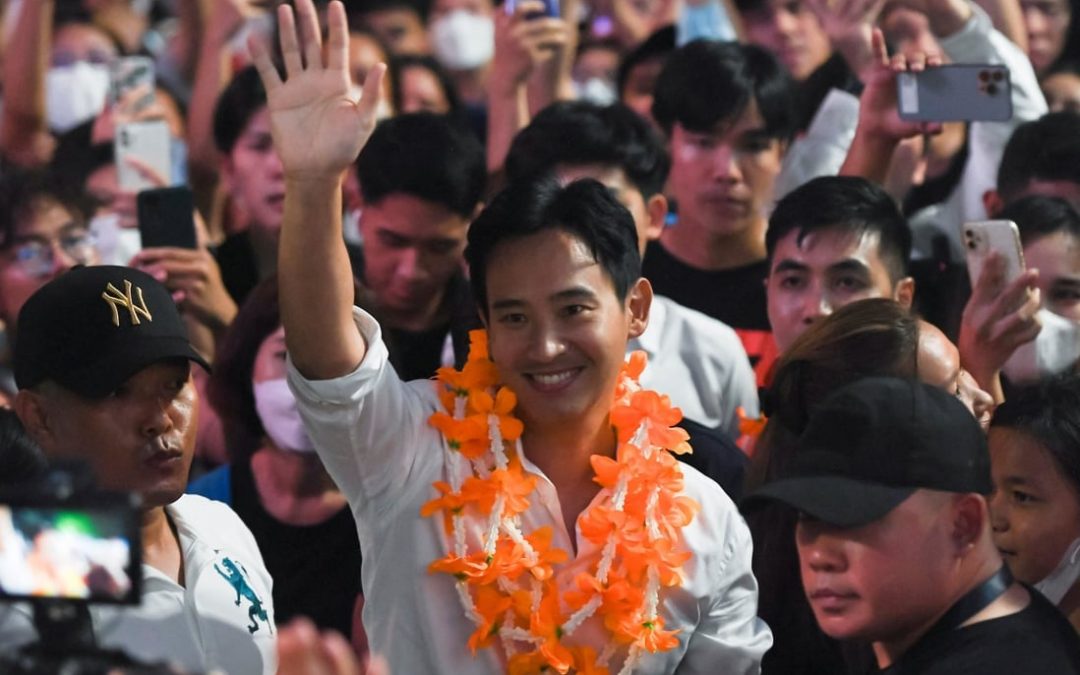
Move Forward gaining the most votes in the latest election is a disaster for class-based politics in Thailand. This election has done precisely what the capitalist elite have dreamed of for decades; to push Thailand away from the class-conscious politics of the 2000s/2010s, and towards a politics of aesthetics. Finally, Thailand has a respectable party for the middle class, one capable of defeating the red shirts.
–
The very real divide of rural vs urban, while tiresome for many to continually relitigate, is still the primary antagonism in Thailand. Layered on top of this are those formerly rural people, who have moved to the urban centres for work, many of them spend decades in urban cores without being fully absorbed into them, for most, the dream is still to go back to their hometowns and live a dignified life. This issue is (or should be), at its core, class-based. Who can sell what labour where, and under which conditions?
For all their faults, Phue Thai offered an alternative to the current reality. Indeed, this antagonism is even recognised by the royalist military-backed parties. Many policies that were proposed by parties like Pallang Pracharat and Bhum Jai Thai clearly indicate that they understand this divide– though of course, they would never genuinely do anything to tackle it. Move Forward, however, diagnoses a completely different issue as the primary antagonism in the nation. For them, the corrupt old dinosaurs who run the military, government and monopolies are the issue. This, however, is about as deep as the critique goes. For Move Forward, the issue of rural vs urban, rich vs poor, is not a stand-alone antagonism, the structural issues that plague and underline this foundational class divide, are merely seen as greed, corruption and mismanagement– a critique entirely lacking in class consciousness.
Like all parties, Move Forward, has two demographics, those who vote for the party, and those who finance it. In the former, we can see an increasingly urbanised middle class, economically and socially similar to the Prachathipat* voters of the 2000s– adapted to the times– sans royalism. Move Forward voters see themselves as a new, educated, enlightened kind of demographic, informed enough to recognise the cheap tricks of the other parties– this should sound familiar to those who lived through the Prachathipat years. Of course, these voters would baulk at the idea that they were anything like Prachathipat, however, much of the foundational rhetoric of their critiques is nearly identical to that of the early yellow shirt movement. They hate corruption, mismanagement, and lying politicians who “fool” the poor into giving them their votes, be it Phue Thai or the military-backed parties. Both Move Forward and the old Prachathipat despise Thaksin and look patronisingly down on his naive “hoodwinked” voters.
*Prachathipat – The Democrat Party – The yellowshirt party responsible for the mass murder of redshirts.
Move Forward drew votes from both the left and right (both Phue Thai & military- backed parties) it offers a clean slate and a younger face for Thailand, as well as a vindication, that you are an educated, informed and erudite voter, that is tired of the military, the old generation of politicians and most elites.
Move Forward party members are not the working poor. While living conditions for the middle class have gradually gone downhill since Thaksin, the reality is that there is still that rural/urban divide. Rich and poor. University educated and not. Those with prospects and those without. Previously the urban and semi-urban middle class, who considered themselves informed areodite voters, were served by Prachathipat. However, Prachathipat’s own corruption and adherence to stringent royalism has caused support to completely collapse. They failed to defeat the red shirts and Thaksin on the election field, instead requiring the strong men of the military to come in and form their own party that truly embraced nationalist vitriol, though perhaps not civilised enough for the tastes of those refined urbanites.
The middle class, and those who aspire to join it, needed a new party. The devoted royalists moved to the military-backed parties. The western educated university academics, sick of the stifling atmosphere of the Thai academy under the military and the Western funded NGO’s and labour-aristocratic organisations coalesced to build a new home in the shape of European-style liberalism. Move Forward and its allies welcomed the less nationalist middle class, offering a cleaner concept of capitalism, one which promises a more dignified type of politics, one which ultimately does not challenge wealth distribution in the country, but makes voters feel better about it.
Realistically, Move Forward offer little more than those aesthetics and to understand why, we have to look at the other part of their demographic, their funders. The two previous leaders of the party are both semi-elite capitalists. The kind of capitalists who are born into wealth, educated abroad, own huge businesses, bust unions, exploit thousands of people, but are not in the ultra-elite. Their railing against monopolies is little more than positioning to gain votes and make space for their own micro class in the market. These capitalists are younger, hungrier, more charming, cleaner, more dignified. They look nothing like the dinosaur elites of the old generation, yet they functionally inhabit the same class demographic and class interests as their Prachathipat predecessors. The first incarnation of Move Forward Party, Future Forward Party, was disbanded by the courts in 2019. This is not because they were a threat to the structures of Thai society, but threatened to supplant one faction of capitalist elites with another.
The majority of the criticisms of Move Forward above could just as easily be hurled at Phue Thai– and they would be right. Another party run by capitalist elites, even during this election cycle they never strongly ruled out a coalition with the military-backed parties. The key difference, however, is that Phue Thai’s low-level members and loyal voters hold a degree of class consciousness that significantly changes the dynamics of the leadership. The genius of Thaksin was to ignite and most importantly deliver for the rural poor. This material-based politics is what won their devotion. Redshirts understand class consciousness, material politics and hold their leaders accountable when they don’t deliver. The long-standing deal of Phue Thai, and their preceding parties, as articulated and practised by Thaksin boiled down to: “Yes I am an elite, I know how the system works, vote for me and I will make it work for you too”, and for millions, despite all his faults, crimes and corruption, he did. Redshirts are not the ignorant buffalos the middle class makes them out to be. They know that the party is corrupt, they know that it serves the elite, but they also know it serves them too.
Both parties want greater social protections, Move Forward envisions this as a centralised European-style welfare state and to their credit formed a labour wing (though gave it little autonomy). This has been the closest they’ve come to talking about class-based policy. The way Move Forward describe it, it is as if Phue Thai (and its preceding parties) didn’t already build a welfare state. In the 2000s, Phue Thai built a localised responsive social infrastructure, the best example is the healthcare system that can be clearly seen in rural areas. However, it has been drastically underfunded by recent military governments, to the point where the middle class would rather go private than suffer the indignity of state institutions. Move Forward voters are unlikely to have experienced this kind of functioning social welfare either because they are centralised in urban areas, they’re too young to remember the system with sufficient funding or they can afford to avoid it.
Phue Thai voters support their party, not because they’re ignorant peasants fooled by Thaksin’s charm, but because they know that the party will deliver class-based results, as they have done countless times before. Phue Thai’s decentralised policies allow funding for local organising, around healthcare, education, employment and infrastructure, building class-based solidarity in real physical spaces. Ultimately, what Phue Thai offers is a long way from socialism, but it is a change in economic alignment, a form of wealth and power redistribution, decentralising Bangkok and other urban areas, in terms of both power and capital, reinvesting it in the outer provinces. Move Forward envisions a “cleaner” modern European style of capitalism, essentially the wealth distribution would remain the same, it would just aesthetically change, a corrupt ugly old man CEO would be replaced by a handsome young one who “plays by the rules”– it’s ok to be a billionaire and exploit people, so long as you play by the rules, like Move Forwards leadership. This is not a defacto full-hearted endorsement of Phue Thai and Thaksin. Indeed, we have been highly critical of Thaksin’s policies in this journal. It is, however, an uncomfortable recognition of the material and political conditions in Thailand today.
In the end, the new generation of the urban middle class, Move Forward Party, achieved what Prachathipat always dreamed of but never could actualise, to beat Phue Thai in an election. Now Phue Thai are at a juncture, they must either reform and outflank Move Forward further to the left, discard their dogmatic adherence to the Thaksin name and update their social policy to recognise the values of the new generation, or fade into obscurity like their old Prachathipat rivals.
Move Forward are set to take Phue Thai’s place in the coup-election cycle that has plagued Thailand for nearly a century, though without the redshirt aunties and uncles from the upcountry who fought and died so bravely for so many years.
What we have seen in Move Forwards’s success is voters’ repudiation of the importance of class conditions. Phue Thai embodies uncomfortable pragmatism one that the middle class would rather overlook, while Move Forward embody nothing more than a smug comfortable idealism.

by DinDeng | May 5, 2023 | Articles บทความ, Featured ไทย, การประท้วง Protest, ประวัติศาสตร์ History, ไทย
โดย MULTITUDE
ในวันแรงงานสากล 1 พฤษภาคม หรือ International Workers’ Day ที่นิยมเรียกติดปากกันว่าวัน “May Day” เป็นวันที่มีประวัติศาสตร์มาอย่างยาวนาน เป็นวันแห่งการเฉลิมฉลองของ “ชนชั้นแรงงาน” อาจเรียกได้ว่ามันเป็นวันของพวกเราทุกๆ คนที่เป็นแรงงาน เราอาจจะเกิดคำถามขึ้นมาว่า “ฉันไม่ได้แบกอิฐแบกปูน ฉันทำงานอยู่หน้าคอมพิวเตอร์ ฉันจะเป็นชนชั้นแรงงานได้ยังไง?”
ข้อเขียน “เราทุกคนคือชนชั้นแรงงาน” จึงเขียนบอกเล่าถึงประวัติศาสตร์การก่อกำเนิดของชนชั้นแรงงานในระบบทุนนิยมจากอดีตจนถึงการเป็นแรงงานร่วมสมัย และย้อนกลับไปถึงประวัติศาสตร์การเกิดขึ้นของวันแรงงานสากล พร้อมกับการต่อสู้ของขบวนการแรงงานในระดับนานาชาติจนถึงสถานการณ์ของขบวนการแรงงานไทยในปัจจุบัน เพื่อชี้ให้เห็นว่าทำไมเราทุกคนต้องเรียกตัวเองว่าเป็น “ชนชั้นแรงงาน” และทำไมเราจึงต้องออกไปร่วมเดินขบวนในวัน “May Day”
ประวัติศาสตร์ทั้งหมดที่ผ่านมาล้วนแต่เป็นประวัติศาสตร์ของการต่อสู้ทางชนชั้น
สังคมมนุษย์เป็นสังคมที่มี “ชนชั้น” นับตั้งแต่ประวัติศาสตร์ของระบบทาส ระบบศักดินา จนถึงการเกิดขึ้นของระบบทุนนิยม ระบบเศรษฐกิจแบบทุนนิยม เป็นระบบเศรษฐกิจที่มุ่งเน้นการผลิตสินค้าหรือบริการเพื่อตอบสนองต่อตลาด โดยผลตอบแทนจากการผลิตนั้นคือสิ่งที่เรียกว่า “กำไร” รวมถึงความต้องการในการสะสมทุนให้มากขึ้นเรื่อยๆ ของนายทุน ระบบทุนนิยมเป็นระบบแห่งการแข่งขันเพื่อแสวงหาความมั่งคั่งหรือเลื่อนลำดับชั้นให้สูงขึ้นเรื่อยๆ หากจะนึกภาพให้ออกอย่างง่าย ๆ ขอให้เราทุกคนนึกถึงโครงสร้างแบบพีระมิดที่มนุษย์ทุกคนจะต้องตะเกียกตะกายปีนขึ้นไปยังจุดสูงสุด และถีบให้คนที่ปีนขึ้นมาทีหลังไม่สามารถขึ้นมาได้
อย่างไรก็ตาม ระบบทุนนิยมไม่ใช่สิ่งที่เกิดขึ้นตามธรรมชาติ แต่เกิดขึ้นจากพัฒนาการทางประวัติศาสตร์ของมนุษย์ นับตั้งแต่สังคมเกษตรกรรมเกิดการล้อมรั้ว(enclosure) สร้างความเป็นเจ้าของในที่ดิน “ระบบกรรมสิทธิ์ส่วนบุคคล” (private property) จึงถือกำเนิดขึ้นมา เมื่อที่ดินกลายเป็นสิ่งที่มีเจ้าของ ชนชั้นชาวนาในระบบเกษตรกรรมที่ทำนาหาเลี้ยงชีพ ก็กลายมาเป็นแรงงานของชนชั้นเจ้าที่ดิน ชาวนาต้องทำการผลิตเพื่อส่งผลผลิตให้กับเจ้าที่ดิน ระบบทุนนิยมยุคแรกจึงไม่ใช่ ”ทุนนิยมอุตสาหกรรม” (industrial capitalism) แต่เป็น “ทุนนิยมเกษตรกรรม” (agrarian capitalism) ซึ่งการแบ่งแยกชนชั้นออกเป็นชนชั้นไร้ปัจจัยการผลิตซึ่งก็คือชนชั้นแรงงานกับชนชั้นที่มีปัจจัยการผลิตคือชนชั้นเจ้าที่ดินและชนชั้นนายทุนเป็นสิ่งที่เกิดขึ้นในเกษตรกรรม”
แม้สังคมทุนนิยมจะเริ่มต้นขึ้นตั้งแต่ยุคเกษตรกรรม แต่เมื่อการปฏิวัติระบบอุตสาหกรรมมาถึง พร้อมๆ กับการก่อสร้างสถานที่ที่เรียกว่า ”โรงงาน” เพื่อทำการผลิตสินค้าไปขายในตลาดที่มีขนาดใหญ่มากขึ้น ความเป็นสังคมชนชั้นในระบบทุนนิยมจึงมีความเข้มข้นสูงขึ้นเรื่อยๆ ในสังคมทุนนิยมอุตสาหกรรม ได้เกิดการสร้างชนชั้นขึ้นมา 2 ชนชั้น ได้แก่ “ชนชั้นนายทุน” หรือผู้ที่เป็นเจ้าของปัจจัยการผลิต เช่น วัตถุดิบ เครื่องจักร สถานที่ และชนชั้นไร้ปัจจัยทางการผลิต แต่เป็นผู้ที่มีกำลังแรงงาน หรือที่เราเรียกกันว่า “ชนชั้นแรงงาน”
ความสัมพันธ์ระหว่างชนชั้นนายทุนกับชนชั้นแรงงานในสังคมอุตสาหกรรม ได้ก่อให้เกิดความขัดแย้งและความไม่เท่าเทียมกัน ชนชั้นนายทุนจ่ายค่าจ้างหรือค่าแรงให้กับแรงงานในการผลิตสินค้าเพื่อสร้างผลกำไรให้กับนายทุน เพื่อที่นายทุนจะได้ “สะสมทุน” หรือสร้างความมั่งคั่งได้มากยิ่งขึ้น ในขณะที่คุณภาพชีวิตของแรงงานกลับต้องเผชิญหน้ากับความยากลำบาก ทั้งการทำงานหนักหรือการทำงานเกินเวลา ค่าแรงที่ได้รับในระดับต่ำหรือไม่เพียงพอเหมาะสมกับการดำรงชีวิต อุบัติเหตุหรือความเสี่ยงจากการทำงาน หรือการถูกเอารัดเอาเปรียบอีกมากมาย เพื่อแลกกับค่าจ้างและการมีชีวิตรอด แต่สภาพการมีชีวิตเช่นนี้ ได้สร้างความไม่พอใจให้กับแรงงาน
เมื่อชนชั้นแรงงานรับรู้ถึงการถูกเอาเปรียบหรือที่เราเรียกกันว่า “การขูดรีด” (exploitation) จากระบบทุนนิยม และแรงงานได้เริ่มต้นตอบโต้ต่อสิ่งที่ตนเองถูกกระทำจากชนชั้นนายทุน กลุ่มแรงงานจึงรวมตัวกันเพื่อก่อตั้ง “สหภาพแรงงาน” เป็นเครื่องมือที่ใช้ในการต่อสู้เรียกร้องคุณภาพชีวิตที่ดีขึ้นของแรงงาน สหภาพแรงงานได้ทำการต่อสู้ด้วยวิธีการที่หลากหลาย ทั้งการนัดหยุดงาน การเดินขบวนประท้วง หรือการต่อต้านในชีวิตประจำวัน และรวมตัวกันเป็น “ขบวนการแรงงาน” ในเอกสารประมวลวิชา อุตสาหกรรมและแรงงาน ได้เขียนอธิบายถึงลักษณะของขบวนการแรงงานไว้ว่า
“โดยทั่วไป เป้าหมายของขบวนการแรงงานคือ การปกป้องความมั่นคงในการทำงานหรือเงื่อนไขการจ้างของแรงงานด้วยกัน ซึ่งอาจประกอบด้วยผลประโยชน์ระยะสั้น เช่น ปัญหาปากท้อง หรือชีวิตความเป็นอยู่ การต่อสู้ในเรื่องของกฎหมาย เช่น สวัสดิการ การศึกษา การเดินทาง ขนส่ง ชีวิตหลังวัยทำงาน และเป้าหมายที่ไกลที่สุดคือ การต่อสู้เพื่อสังคมที่ดี เช่น ประชาธิปไตยที่เอื้อชีวิตที่ดีแก่แรงงาน คัดค้านการเมืองที่ไม่เอื้อต่อประชาธิปไตย หรือแม้แต่การต่อสู้เพื่อสังคมนิยม เป็นต้น เช่น ในกลุ่มแรงงานที่ก้าวหน้ามากๆ หรือซ้ายจัดมากๆ อาจมีเป้าหมายไปสู่การโค่นล้มระบบทุนนิยมและความเหลื่อมล้ำทางชนชั้น และผลักดันการเป็นคอมมิวนิสต์”
การเกิดขึ้นของวันแรงงานสากล
การต่อสู้หลักๆ ของแรงงาน เกิดขึ้นหลายต่อหลายครั้งในประวัติศาสตร์ แต่การต่อสู้ครั้งสำคัญที่ก่อให้เกิดเป็นวันแรงงานสากล คือ การนัดหยุดงานทั่วทั้งสหรัฐอเมริกา เพื่อเรียกร้องให้มีการออกกฎหมายจำกัดชั่วโมงการทำงานไม่ให้เกิน 8 ชั่วโมงต่อวัน ในวันที่ 1 พฤษภาคม ปี 1886 จนเกิดเป็นเหตุการณ์นองเลือดจากการปราบปรามอย่างหนักโดยรัฐบาลที่ร่วมมือกับชนชั้นนายทุน เวลาต่อมาในที่ประชุมของตัวแทนพรรคคอมมิวนิสต์และสหภาพแรงงานทั่วโลกที่รู้จักกันในนาม “สากลที่สอง” (The Second International) ได้ลงมติให้มีการประกาศนัดหยุดงานของกรรมกรและออกมาเดินขบวนแสดงพลังของชนชั้นแรงงานทั่วโลกในวันที่ 1 พฤษภาคม เพื่อเป็นการเรียกร้องให้หลักการทำงานไม่เกิน 8 ชั่วโมงต่อวันได้รับการนำไปปฏิบัติกับกรรมกรทั่วโลก
ขณะเดียวกัน โรซา ลักเซมเบิร์ก นักปฏิวัติคนสำคัญในประวัติศาสตร์สังคมนิยม ได้เขียนงานสั้นๆ ที่มีชื่อว่า “อะไรคือต้นกำเนิดของวันเมย์เดย์?” (What Are the Origins of May Day) โรซาพาเราย้อนกลับไปสืบประวัติการก่อกำเนิดขึ้นของวันเมย์เดย์ ก่อนจะเกิดเหตุการณ์ในปี 1886 โรซาได้เล่าว่า การรวมตัวกันเพื่อต่อสู้เรียกร้องเวลาในการทำงานไม่เกิน 8 ชั่วโมง เริ่มต้นขึ้นครั้งแรกที่ออสเตรเลีย ในวันที่ 21 เมษายน ปี 1856 หลังจากนั้นขบวนการแรงงานได้รวมตัวกันมากขึ้นเรื่อย ๆ และจัดงานอีกครั้งในปีต่อๆ มา จนกลายเป็นที่มาของการนัดหยุดงานในสหรัฐฯ วันที่ 1 พฤษภาคม 1886 และกลายเป็นวัน May Day โรซาแสดงความคิดเห็นไว้ว่า
“จะว่าไปแล้ว, อะไรเล่าที่จะสามารถทำให้กรรมกรมีความกล้าหาญและศรัทธาในพลังของตนเองขึ้นมา ถ้าไม่ใช่การรวมพลกันหยุดงานซึ่งพวกเขาได้ตัดสินใจทำกันด้วยตนเอง? อะไรเล่าที่จะสามารถทำให้ผู้ที่เป็นทาสตลอดกาลในโรงงานและห้างร้านต่างๆมีความกล้าหาญขึ้นมา ถ้าไม่ใช่การชุมนุมกันของกองกำลังตนเอง? ด้วยเหตุนี้, แนวคิดที่ว่าด้วยการเฉลิมฉลองของกรรมาชีพจึงได้รับการยอมรับอย่างรวดเร็ว และมันได้เริ่มแพร่กระจายจากออสเตรเลียไปยังประเทศอื่นๆ จนกระทั่งมันได้ยึดครองโลกทั้งใบของกรรมาชีพในที่สุด.”
ทุกๆ วันที่ 1 พฤษภาคม จึงเป็นวันที่แรงงานนัดรวมตัวกันเพื่อเฉลิมฉลองและต่อสู้เรียกร้องกับระบบทุนนิยม ขบวนการแรงงานกลายเป็นขบวนการเคลื่อนไหวทางการเมืองที่เข้มแข็ง จนส่งผลกระทบไปทั่วทั้งโลกในศตวรรษที่ 19-20 จวบจนศตวรรษที่ 21 ขบวนการแรงงานเป็นขบวนการที่ผูกโยงกับแนวคิดแบบสังคมนิยมที่เรียกร้องความเสมอภาคทางสังคมให้กับคนทุกคน หรือสร้างอำนาจให้กับชนชั้นแรงงานที่จะลุกขึ้นมากำหนดชีวิตของตนเอง จนไปถึงชนชั้นแรงงานได้กลายเป็นแนวหน้าของการปฏิวัติหรือมีบทบาทสำคัญในการเปลี่ยนแปลงทางการเมืองครั้งใหญ่ๆ หลายครั้งในประวัติศาสตร์ทั่วโลก
การเปลี่ยนแปลงของระบบทุนนิยมที่ส่งผลกระทบต่อขบวนการแรงงาน
แม้ขบวนการแรงงานจะมีความเข้มแข็ง เนื่องจากสภาพการทำงานในโรงงานที่ทุกข์ยากลำบาก ได้ก่อให้เกิดจิตสำนึกทางชนชั้นของแรงงานขึ้น จนรวมตัวกันกลายเป็นขบวนการแรงงานที่ทำการเคลื่อนไหวต่อต้านการขูดรีดของชนชั้นนายทุนและระบบทุนนิยม แต่ในปัจจุบัน ท่ามกลางการเปลี่ยนแปลงของระบบทุนนิยมอุตสาหกรรม (industrial capitalism) ที่มุ่งเน้นการใช้แรงงานร่างกายในการผลิตวัตถุ (material) โดยทำการผลิตในโรงงาน ไปสู่ระบบทุนนิยมหลังอุตสาหกรรม (post-industrial capitalism) ที่ผลิตสร้าง “อวัตถุ” (immaterial) ซึ่งหมายถึง การผลิตสร้างระบบภาษา สัญญะ ความหมาย อารมณ์ความรู้สึก และความรู้ นอกโรงงานอุตสาหกรรมแบบเดิม
“ซึ่งในระบบทุนนิยมแบบนี้ แรงงานและรูปแบบของงานได้เปลี่ยนแปลงไป การผลิตวัฒนธรรมและระบบความหมายกลายเป็นสิ่งที่อยู่ในชีวิตประจำวันของผู้คนมากขึ้น การผลิตและการคิด/สร้างสรรค์เป็นสิ่งเดียวกันมากขึ้นเรื่อยๆ และงานของแรงงานไม่ใช่การผลิตแค่รองเท้า หรือวัตถุอื่นๆ แต่แรงงานจำนวนหนึ่งเริ่มทำงานคล้ายกับศิลปิน เช่น งานบริการที่ผลิตสร้างความรู้สึก งานสร้างสรรค์ทางวัฒนธรรม งานเขียน งานโฆษณา งานที่สร้างความหมายให้กับตัวสินค้า เป็นต้น”
การผลิตอวัตถุ (immaterial) เป็นคำอธิบายที่ทำให้แนวคิดที่ว่า “เราทุกคนคือแรงงาน” ชัดเจนมากยิ่งขึ้น ในระบบทุนนิยมหลังอุตสาหกรรม ไม่มีใครที่ไม่มีส่วนร่วมกับกระบวนการผลิตในระบบทุนนิยม การผลิตได้ย้ายจากโรงงานมาอยู่ในตัวเรา ตัวเรากลายเป็นทั้งกำลังแรงงาน สินค้า เครื่องจักร หรือเป็นปัจจัยการผลิตภายในตัวเอง ตัวเรากลายเป็นสิ่งที่สร้างมูลค่าให้กับระบบทุนนิยม ผ่านการใช้แรงงานที่อยู่นอกโรงงานอุตสาหกรรม การทำการผลิตไม่จำเป็นที่จะต้องอยู่ในโรงงานอุตสาหกรรมอีกต่อไป แต่กระทำได้ในทุกที่และทุกเวลา และกระทำการผ่านการมีชีวิตของเรา
ขณะเดียวกัน แรงงานอวัตถุ หรือจะเรียกว่า แรงงานฟรีแลนซ์ แรงงานสร้างสรรค์ แรงงานรับจ้างเป็นครั้งๆ ไป ฯลฯ ที่ไม่มีเวลาหรือสถานที่ในการทำงานที่แน่นอนตายตัว กลับต้องเผชิญหน้ากับสภาวะที่ไร้ความมั่นคงหรือความไร้เสถียรภาพ คล้ายกับคนตกงาน การเป็นแรงงานรูปแบบนี้ถูกแทนที่ด้วยความคิดแบบ “ผู้ประกอบการ” ที่จะต้องจัดการบริหารสิ่งต่างๆ ด้วยตัวของตัวเอง พร้อม ๆ กับการขยายตัวของลัทธิเสรีนิยมใหม่ ที่ทำลายรัฐสวัสดิการ ทำลายสหภาพแรงงาน ทำให้แรงงานหลงเหลือเพียงปัจเจกบุคคลที่จะต้องรับผิดชอบชีวิตของตนเองอยู่เพียงผู้เดียว
แรงงานทุกคนกำลังเผชิญหน้าอยู่บนโลกที่ไร้ซึ่งฐานใดๆ รองรับ เมื่อไม่มีการจ้างงาน เมื่อเราต้องตกงาน เมื่อเราถูกเบี้ยวหรือกดค่าแรง เมื่อเวลาในการทำงานกับเวลาในการใช้ชีวิตของเราไม่สามารถแยกออกจากกันได้ เมื่อเราต้องจ่ายค่าเช่าหอพักหรือค่าเช่าบ้าน เมื่อเราต้องจ่ายหนี้เป็นจำนวนมาก เมื่อเราต้องจ่ายค่าน้ำค่าไฟค่าข้าวค่ากิน หรือบริโภคสิ่งที่จะทำให้เราหลุดออกจากโลกของการทำงานอันเหนื่อยล้า เพียงชั่วครู่ เพื่อตื่นไปทำงานอีกครั้ง แรงงานทุกคนกำลังเผชิญหน้ากับสังคมที่มุ่งสู่การแข่งขันกันอย่างบ้าคลั่งเพื่อมุ่งไปสู่โลกแห่งความสำเร็จ แรงงานที่พ่ายแพ้ให้กับการแข่งขันนี้ ต้องป่วยเป็นโรคซึมเศร้าหรือเป็นเพียงไอ้ขี้แพ้ คล้ายกับว่าเราเกิดมาเพื่อทำงานแล้วตายไป คงไม่มีอนาคตที่สดใสของโลกใบนี้รอคอยเราอยู่อีกแล้ว
ขบวนการแรงงานสากลจนถึงขบวนการแรงงานไทยในปัจจุบัน
แม้สถานการณ์ของระบบทุนนิยมในปัจจุบัน อาจจะฟังดูเลวร้าย แต่ในขณะเดียวกัน หลังการล่มสลายของสหภาพโซเวียต การต่อสู้ของขบวนการแรงงานในศตวรรษที่ 21 ยังคงเกิดขึ้นอยู่เสมอ ภายใต้ระบบทุนนิยมและลัทธิเสรีนิยมใหม่ที่แผ่ขยายไปทั่วโลก ได้เกิดการลุกขึ้นต่อต้านของขบวนการฝ่ายซ้ายมาโดยตลอด จนถึงปัจจุบัน ยกตัวอย่างเช่น เหตุการณ์การประท้วงใหญ่ในฝรั่งเศสเกี่ยวกับการปฏิรูประบบบำนาญ กลุ่มฝ่ายซ้ายได้ออกมาเคลื่อนไหวกันเป็นจำนวนมาก, สหภาพแรงงานในอังกฤษนัดหยุดงานครั้งใหญ่ในรอบ 10 ปี เรียกร้องการขึ้นค่าแรง, คลื่นสีชมพู(Pink Tide) หรือกระแสสังคมนิยมในลาตินอเมริกา, ขบวนการนักศึกษาฝ่ายซ้ายและขบวนการอนาธิปไตยในอินโดนีเซีย, พรรคคอมมิวนิสต์ในอินเดีย ขบวนการนักศึกษาฝ่ายซ้ายใน JNU, กระแสสังคมนิยมและพรรคคอมมิวนิสต์ในเนปาลที่ต่อสู้กันมาอย่างยาวนาน ฯลฯ
ขบวนการแรงงานหรือขบวนการฝ่ายซ้ายในระดับโลก ได้เกิดการต่อสู้กันอย่างเข้มข้นกับระบอบทุนนิยม หากแต่ขบวนการแรงงานไทยกลับอยู่ในสภาวะอ่อนแอ เราอาจย้อนกลับไปในประวัติศาสตร์ได้ตั้งแต่การปราบปรามขบวนการฝ่ายซ้ายอย่างรุนแรง ในยุค 6 ตุลา 19 การล่มสลายของพรรคคอมมิวนิสต์แห่งประเทศไทย หรือการที่สหภาพแรงงานไปจับมือกับฝ่ายขวาเพื่อทำรัฐประหารปี 49 การเคลื่อนไหวที่ถูกนำโดยองค์กรภาคประชาสังคมหรือขบวนการทางสังคมแบบใหม่ ที่ไม่พูดถึง “การเมืองชนชั้น” หรือวิพากษ์ระบบทุนนิยม จนทำให้ขบวนการทางการเมืองไทยร่วมสมัย กลายเป็นการเมืองของขบวนการแบบเสรีนิยม เป็นต้น
จากตัวเลขสถิติ ขบวนการแรงงานในประเทศไทยถือว่าเป็นขบวนการแรงงานที่มีขนาดเล็กมากในเชิงปริมาณเรามีผู้ใช้แรงงานเป็นสมาชิกสหภาพแรงงานในอัตราส่วนที่ถือได้ว่าต่ำสุดในโลกเลยทีเดียวคือมีแรงงานเป็นสมาชิกสหภาพแรงงาน 614,312 คน สิ่งเหล่านี้สะท้อนถึงความอ่อนแอของขบวนการแรงงานไทย กระทั่งสหภาพแรงงานยังมีจำนวนน้อยมาก อีกทั้งสหภาพแรงงานกลายเป็นองค์กรที่เรียกร้องเพียงปัญหาปากท้อง จนไม่นำไปสู่การกลายเป็น “สหภาพแรงงานที่เป็นขบวนการทางสังคม” (Social Movement Unionism) รวมไปถึงการไร้ซึ่งสิ่งที่เรียกว่า “ขบวนการฝ่ายซ้าย” เนื่องจากแนวคิดแบบสังคมนิยมยังไม่กลายเป็นแนวคิดกระแสหลักที่จะเข้าไปปะทะกับการต่อสู้ทางอุดมการณ์ของฝ่ายเสรีนิยมและอนุรักษ์นิยม
แต่ในปัจจุบันกระแสการเคลื่อนไหวของขบวนการแรงงานหรือกลุ่มที่มีแนวคิดฝ่ายซ้าย เริ่มค่อย ๆ กลับมาอีกครั้ง ทั้งการเกิดขึ้นของข้อเสนอ RT จวบจนการกลายเป็นกลุ่มก้อนต่างๆ หลังปี 63 ตั้งแต่สหภาพคนทำงาน, สหภาพแรงงานสร้างสรรค์, พรรคสังคมนิยมแรงงาน(SWT), TUMS, ดินแดง, Food Not Bombs CNX, สหภาพบาริสต้าเชียงใหม่, Multitude ฯลฯ การเกิดขึ้นของกลุ่มขบวนการแรงงานหรือกลุ่มฝ่ายซ้ายร่วมสมัยค่อย ๆ เกิดขึ้น ท่ามกลางกระแสสัจนิยมการเมืองไทยที่การเมืองไทยเป็นไปได้แค่การเมืองแบบเสรีนิยมและอนุรักษ์นิยม แนวคิดแบบสังคมนิยมเป็นคลื่นใต้น้ำที่กำลังขยายตัวขึ้นอย่างช้า ๆ จากปัญหาของระบบเศรษฐกิจแบบทุนนิยมที่เราทุกคนกำลังเผชิญ แนวคิดแบบสังคมนิยมจึงได้รับการกลับมาพูดถึงอีกครั้ง
ชนชั้นแรงงานกับการร่วมเดินขบวนในวัน May Day ปีนี้และต่อจากนี้
นับตั้งแต่ประวัติศาสตร์การเกิดขึ้นของ “ชนชั้น” ในระบบทุนนิยมเกษตรกรรมจนถึงการเกิดขึ้นของระบบทุนนิยมอุตสาหกรรมที่เอารัดเอาเปรียบชนชั้นผู้ไร้ปัจจัยการผลิตอย่างรุนแรง จนปะทุกลายเป็นขบวนการเคลื่อนไหวของชนชั้นแรงงานสู่การเกิดขึ้นของวันแรงงานสากลในประวัติศาสตร์ มาถึงการเปลี่ยนแปลงของระบบทุนนิยมหลังอุตสาหกรรมและลัทธิเสรีนิยมใหม่ที่ทำลายความเข้มแข็งของขบวนการแรงงานลง แต่สภาพย่ำแย่ของโลกทุนนิยมไม่อาจสามารถหยุดยั้งการเคลื่อนไหวของแรงงานทั้งในระดับสากลและในสังคมไทยได้
วันที่ 1 พฤษภาคม หรือวัน May Day ปีนี้ จึงเป็นอีกวันหนึ่งที่กระแสการต่อสู้ของขบวนการแรงงานด้วยแนวคิดแบบสังคมนิยม ที่พูดความถึงเสมอภาค ความร่วมแรงร่วมใจ และการช่วยเหลือซึ่งกันและกัน จะกลับมาอีกครั้ง การเมืองแบบรัฐสภาที่จะต้องมี “ตัวกลาง” ในการแก้ไขปัญหา อาจไม่ใช่วิธีการต่อสู้ทางการเมืองของขบวนการแรงงานเพียงวิธีการเดียว แต่การรวมตัวกันเพื่อจัดตั้งสหภาพแรงงานที่เป็นขบวนการเคลื่อนไหวทางการเมือง การสร้างกลุ่มศึกษาสังคมนิยมเพื่อมองหาข้อถกเถียงหรือบทสนทนาสำหรับความเป็นไปได้ใหม่ ๆ ทางการเมือง ทั้งการต่อสู้ในระดับชีวิตประจำวันที่พูดถึงปัญหาของระบบทุนนิยมที่เราทุกคนกำลังเผชิญอยู่ การประกาศถึงความปรารถนาที่เราจะมีชีวิตที่ดีขึ้นมากกว่านี้ ผ่านการรวมตัวกันของ “ชนชั้นแรงงาน” เป็นทางออกสำหรับขบวนการแรงงานในปัจจุบัน
พบกันวันที่ 1 พฤษภาคม ทั่วท้องถนนที่สร้างขึ้นจากน้ำมือของแรงงาน ทั้งในปีนี้ และในปีถัดไป และในทุกๆ ปี จนกว่าชนชั้นแรงงานจะกำหนดชะตากรรมของตนเองได้ การต่อสู้ของแรงงานจะเกิดขึ้นในทุกวัน ทุกเวลา ทุกวินาที และทุกสถานที่ เพราะเราไม่มีอะไรจะสูญเสียนอกจากโซ่ตรวน เพราะเราทุกคนคือชนชั้นแรงงาน
This article is written by Multitude (Radical Socialist Movement in CNX)
Follow the author at Facebook